Panamá
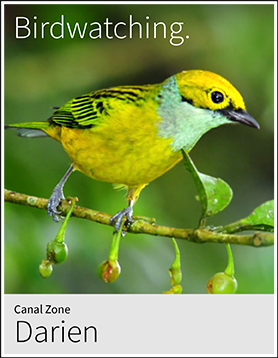
Many regions offer eco-lodges, and a new train connecting Panama City with the country’s interior is under development. Birdwatching near the capital and marine conservation experiences on both coasts attract nature enthusiasts. In the dry season, Panama becomes a paradise for surfers and sun-seekers, while the highlands offer year-round hiking, coffee tours, and canopy adventures with volcanic views. The country supports both adventure and relaxation through diverse nature experiences.
Panama is divided into ten provinces and several indigenous comarcas, each with a distinct identity. Panamá Province is home to the capital, where Panamá Viejo and Casco Viejo contrast with a modern skyline. Colón features Caribbean fortifications such as Portobelo and San Lorenzo, plus Gatun Lake. Chiriquí is known for Barú Volcano, Boquete, and coffee plantations. Bocas del Toro is a Caribbean archipelago with overwater accommodation and snorkeling. Los Santos, on the Azuero Peninsula, is the cultural heart, known for folklore and Playa Venao surf. Guna Yala is an autonomous region of over 300 islands, known for pristine beaches and strong traditions.
The country hosts vibrant festivals, including Carnival, a lively celebration of music, dancing, and water fights, and the Festival de la Mejorana, which highlights folk music and dance. The Pollera, Panama’s national dress, reflects intricate craftsmanship and cultural pride. Visitors experience rhythmic drumbeats, traditional costumes, and a blend of Indigenous, African, and Spanish influences.
Panamanian cuisine blends Afro-Antillean, Indigenous, and Spanish influences, creating rich flavors. Sancocho is a chicken soup with ñame and culantro, considered a national comfort dish. Ceviche features fresh seafood with lime, onions, and peppers. Hojaldras are fried dough, often sweet or savory. Patacones, twice-fried plantains, are a staple side dish. These dishes reflect cultural diversity and local ingredients.
Panama offers strong infrastructure, including Central America’s only metro system and a reliable highway network such as the Inter-American Highway, making travel straightforward. It is among the safest countries in the region and is known for warm, multicultural hospitality. English is widely spoken in tourist areas, supporting easy communication.
Panama City is a financial and cultural hub. At its heart lies the Panama Canal, an engineering marvel connecting two oceans. Casco Viejo features restored colonial architecture, now home to boutique hotels, cafés, and rooftop bars. The contrast between historic and modern districts gives the city a unique identity, supported by museums, galleries, and a growing culinary scene.
Boquete, in the Chiriquí highlands, attracts visitors with its mild climate and coffee culture. Surrounded by mountains, it offers rafting, zip-lining, and hiking. Barú Volcano is a highlight, where both oceans can be seen on clear mornings. Its relaxed atmosphere makes it a favorite among nature lovers.
Bocas del Toro is a Caribbean destination known for island life and biodiversity. Coral reefs, clear waters, and tropical forests make it ideal for snorkeling and wildlife encounters. Starfish Beach is a highlight, where calm waters reveal sea stars. Afro-Caribbean culture shapes its music, language, and coconut-based cuisine.
San Blas, part of Guna Yala, is one of the last untouched island paradises. Its white-sand beaches, turquoise waters, and strong indigenous identity define the experience. With minimal infrastructure, it offers a rare chance to disconnect. Visitors sail between islands, stay in simple cabins, and learn about traditional Mola textiles.
Veraguas, between Panama City and Chiriquí, is known for diversity and authenticity. It combines Pacific coastlines with mountainous inland regions. Beaches along the Azuero Sunset Coast remain undeveloped. Santiago is the regional hub, while inland Santa Fe offers cooler temperatures, forests, and access to the Continental Divide.